


Mechanical engineering is a discipline that rewards careful thinking, practical experience, and a strong understanding of how physical systems behave in the real world. Over the course of a career, engineers develop an appreciation for how design decisions affect safety, reliability, and long-term performance. These lessons are rarely learned in isolation — they come from working across a range of projects, industries, and mechanical systems.

One of the most important lessons in mechanical engineering is that good design starts with understanding loads and forces. Whether working with structural frames, mechanical assemblies, or moving systems, every component must safely withstand the forces it will experience throughout its life. Engineers must consider static loads, dynamic loads, fatigue, vibration, and environmental conditions. A design that looks adequate on paper can behave very differently once exposed to repeated use, temperature changes, or unexpected operating conditions.
Another key lesson is that simplicity often leads to reliability. Mechanical systems that rely on overly complex solutions tend to introduce unnecessary points of failure. Experienced engineers learn to favour designs that achieve the required performance with the fewest components and the clearest load paths. Simpler systems are easier to inspect, maintain, and repair — all of which contribute to safer and more dependable equipment.
Real-world engineering also highlights the importance of safety margins and conservative design principles. While theoretical calculations may suggest a component will perform adequately, engineers must always account for uncertainty in materials, manufacturing tolerances, and operational conditions. Designing with appropriate safety factors ensures that systems continue to operate safely even when conditions deviate from the ideal.
Over time, engineers also develop a strong understanding of how systems fail. Fatigue cracking, stress concentrations, corrosion, and poor load distribution are common contributors to mechanical failures. By studying past failures and understanding their root causes, engineers become better equipped to identify potential risks early in the design process and implement solutions before problems arise.
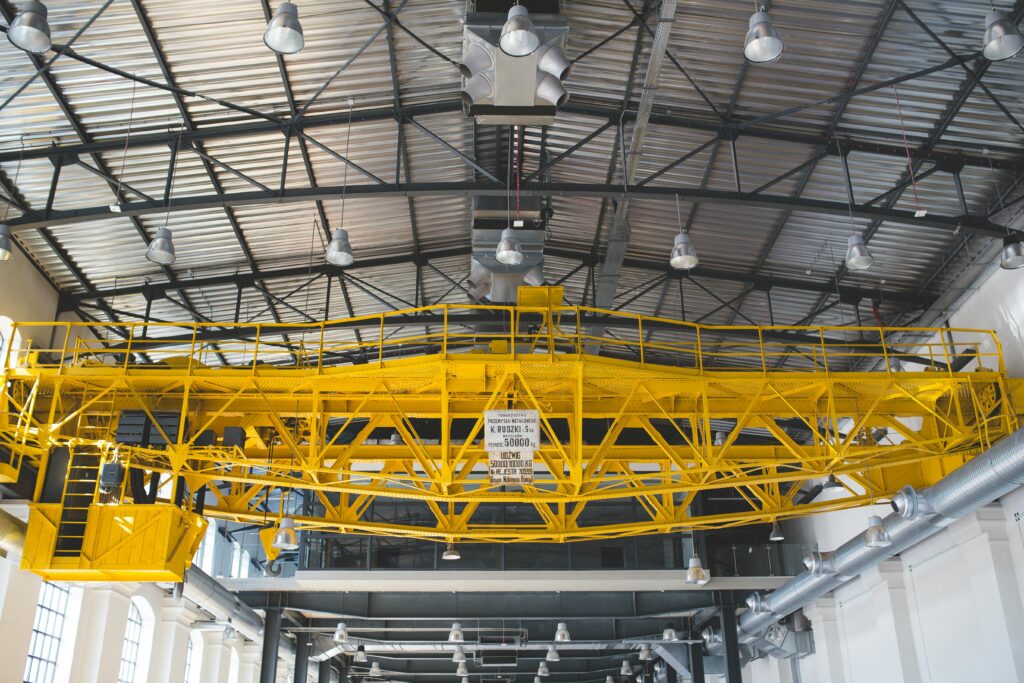
Another lesson from practical engineering work is the importance of compliance and regulatory frameworks. Many mechanical systems operate within environments where safety standards and certification requirements play a critical role. Engineers must ensure their designs meet relevant standards, documentation requirements, and inspection protocols. This process not only protects users and operators, but also reinforces a culture of accountability and safety throughout the engineering process.
Experience across different mechanical applications also reinforces the value of clear communication and documentation. Engineering work often involves collaboration with fabricators, technicians, inspectors, and regulators. Drawings, reports, and specifications must clearly communicate the intent of the design so that it can be manufactured, assembled, and maintained correctly.
Perhaps the most enduring lesson from a career in mechanical engineering is that experience builds engineering judgement. While analysis tools and software play an important role, they are only part of the process. The ability to recognise potential problems, anticipate real-world conditions, and apply practical solutions comes from years of observing how mechanical systems behave in operation.
These lessons form the foundation of responsible engineering practice. By combining analytical methods with practical experience, engineers can design mechanical systems that prioritise safety, durability, and long-term performance.