


Heavy vehicle modifications play an important role in adapting trucks, trailers, and specialised transport equipment to meet operational requirements. These modifications can range from structural changes and equipment installations to suspension upgrades and chassis alterations. Because heavy vehicles operate under demanding conditions and carry significant loads, engineering oversight is essential to ensure that any modification maintains safety, reliability, and compliance with relevant regulations.
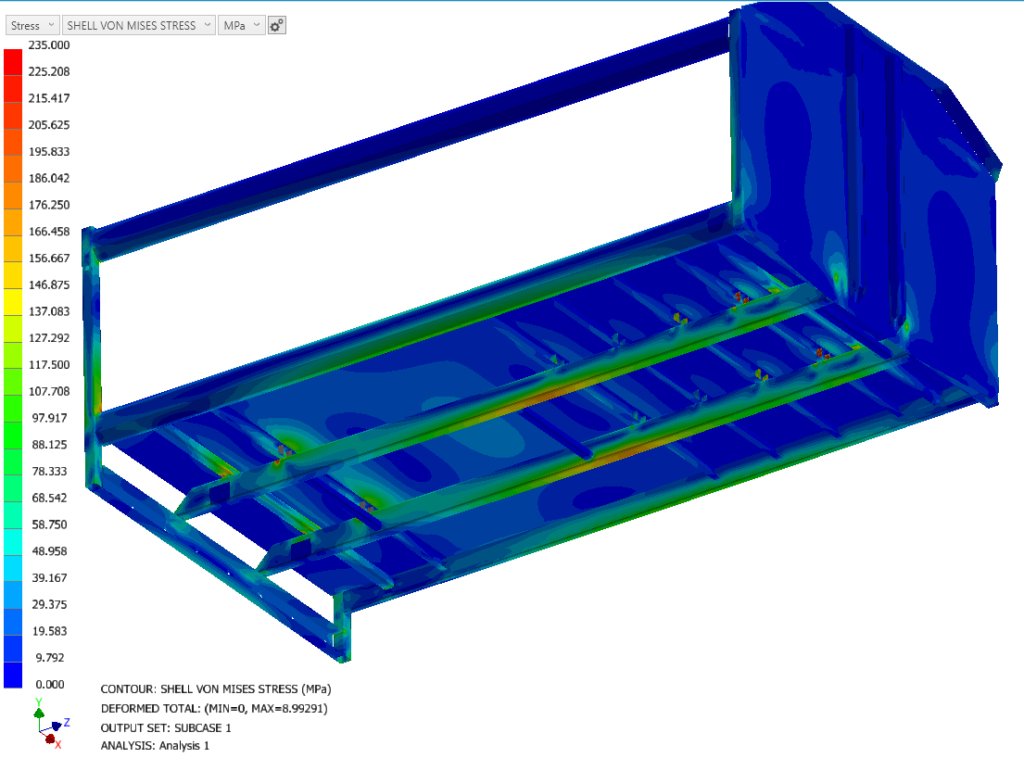
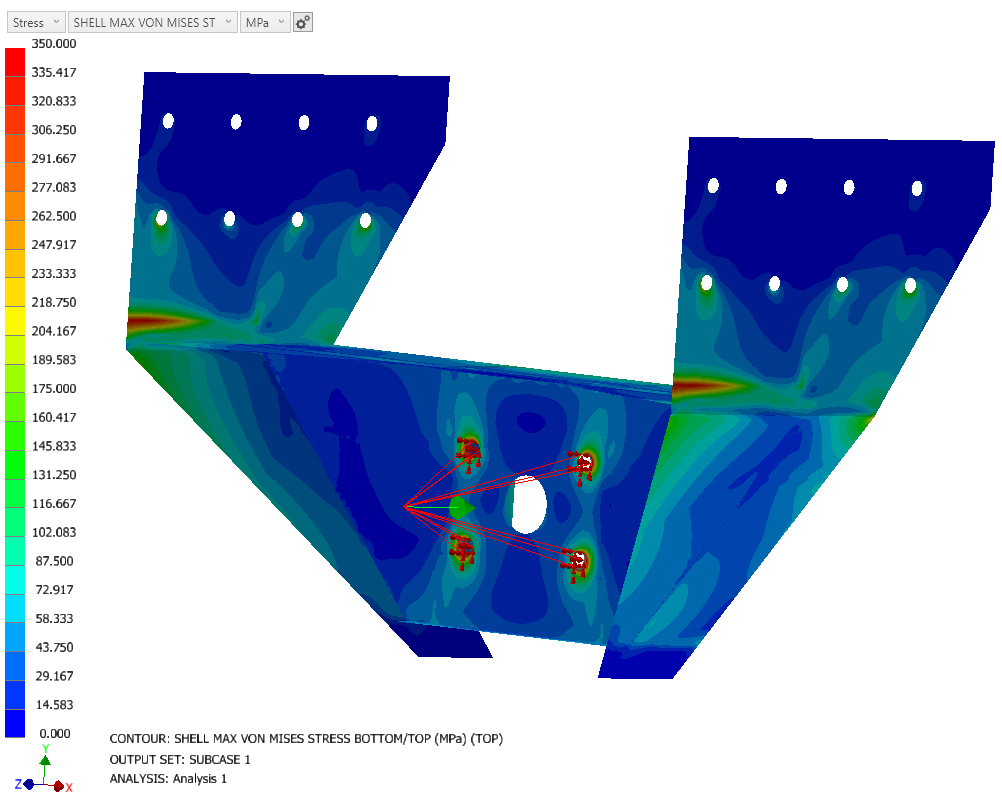
One of the primary engineering considerations in heavy vehicle modifications is load distribution. Trucks and trailers are designed with specific weight limits and load paths that ensure forces are transferred safely through the chassis and suspension systems. When equipment is added or structural changes are made, the distribution of weight across axles and structural members can change significantly. Engineers must carefully analyse how modifications affect axle loads, centre of gravity, and frame stresses to ensure the vehicle continues to operate safely within its design limits.
Closely related to load distribution is the need to understand structural integrity. Vehicle chassis are designed to balance strength, flexibility, and durability under dynamic operating conditions. Modifications such as extending chassis rails, mounting cranes or equipment, or installing additional structural components can introduce new stress concentrations or alter the way forces flow through the frame. Proper engineering analysis ensures that these changes do not compromise the long-term durability of the vehicle structure.
Another important factor is fatigue and cyclic loading. Heavy vehicles are subject to constant vibration, road impacts, and repeated loading cycles. Even relatively small changes to structural components can influence how fatigue stresses develop over time. Engineers must consider how modified components will behave over thousands of kilometres of operation, ensuring that joints, welds, and mounting points are designed to resist fatigue cracking and premature failure.
Suspension and handling characteristics must also be considered when modifying heavy vehicles. Changes to vehicle mass, ride height, or equipment placement can affect vehicle stability, braking performance, and steering behaviour. Engineers evaluate how modifications influence dynamic behaviour, ensuring that the vehicle remains predictable and safe to operate under both normal and demanding driving conditions.

Compliance with regulatory requirements and certification standards is another key aspect of heavy vehicle modifications. Many jurisdictions require engineering approval for structural changes or equipment installations. This process typically involves detailed engineering documentation, calculations, and inspections to verify that the modified vehicle continues to meet applicable safety standards and road regulations.
Effective heavy vehicle modification projects also depend on clear engineering documentation. Drawings, modification reports, and supporting calculations provide fabricators and inspectors with the information needed to correctly implement the design. Proper documentation also ensures that modifications can be inspected, maintained, and verified throughout the life of the vehicle.
Experience working with heavy vehicle systems highlights how careful engineering design helps prevent problems before they arise. By considering structural loads, fatigue behaviour, vehicle dynamics, and regulatory requirements, engineers can ensure that modifications enhance the vehicle’s capabilities without compromising safety or reliability.
These engineering principles are broadly applicable across many mechanical systems. The lessons learned from heavy vehicle modifications—particularly in relation to structural loads, fatigue resistance, and safety-focused design—reinforce the importance of careful engineering analysis in any application where mechanical systems must perform reliably under demanding conditions.